

Interest in peptides has grown significantly across Canada in recent years. Researchers, laboratories, and biotechnology professionals continue exploring peptide compounds for scientific and experimental purposes, while online discussions around peptides have also expanded into broader wellness and performance-related topics.
Despite the growing attention, many people still have questions about whether peptides are legal in Canada, how they are regulated, and what “research use only” actually means.
The reality is that peptide regulations in Canada are more complex than many buyers assume. The legal status of a peptide often depends on factors such as intended use, product labeling, marketing claims, and whether the compound is classified as a prescription substance.
This guide explains the current landscape surrounding peptide purchases in Canada, including legal considerations, research-use classifications, product quality concerns, and what buyers should understand before ordering peptide products online.
Are Peptides Legal in Canada?
Peptides are not universally illegal in Canada. However, their legality depends heavily on how they are intended to be used and how they are marketed or distributed.
Some peptide compounds may be legally sold for laboratory and scientific research purposes. Others may fall under prescription drug regulations or require authorization from Health Canada before they can be distributed for medical use.
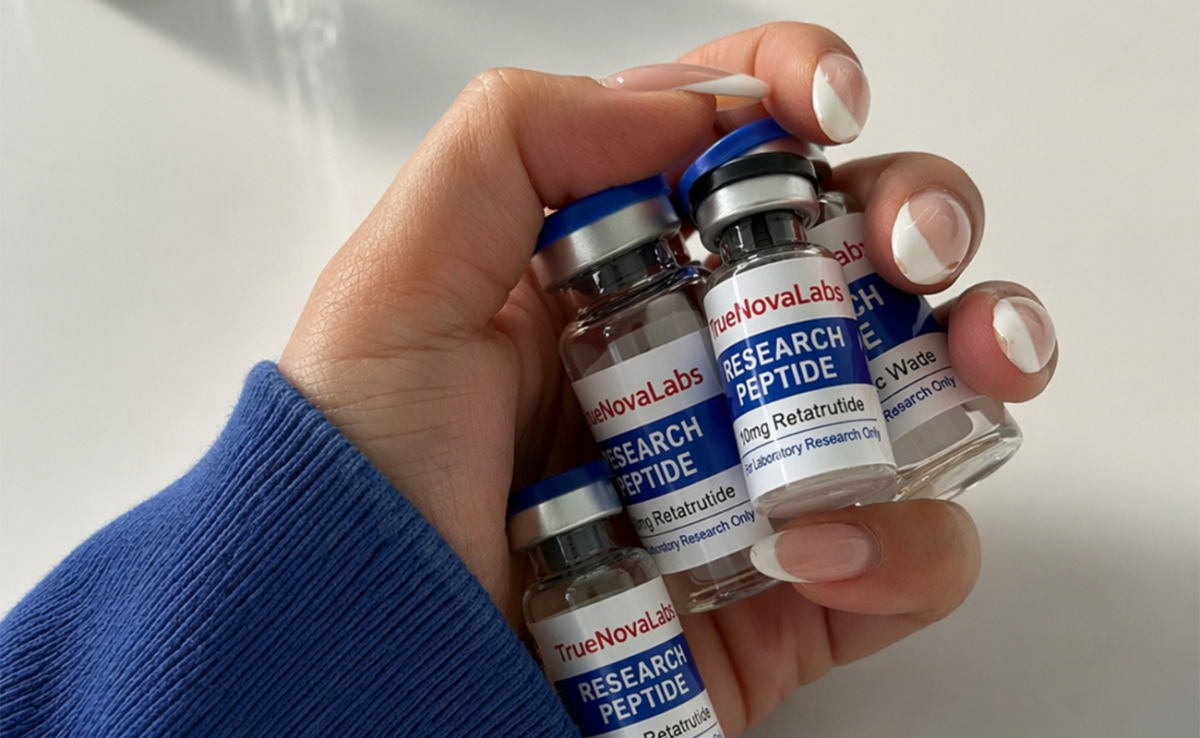
In many cases, peptide products sold online are labeled as:
- “For research use only”
- “Not for human consumption”
- “Laboratory research compounds”
These labels are important because they distinguish research materials from products approved for therapeutic or personal use.
Health Canada closely regulates substances that make medical, therapeutic, or performance-enhancing claims. If a peptide product is marketed as a treatment, anti-aging solution, muscle-building compound, or medical therapy without authorization, it may violate Canadian regulations.
Because regulations can evolve over time, buyers should always review current Health Canada guidance and consult qualified professionals regarding compliance questions.
How Health Canada Regulates Peptides
Health Canada oversees drugs, pharmaceuticals, biologics, and various controlled substances distributed within Canada.
When evaluating peptide-related products, regulators may consider factors such as:
- Intended use
- Marketing language
- Product claims
- Importation status
- Labeling compliance
- Manufacturing standards
If a peptide is promoted as a medical treatment or therapeutic product without authorization, it may be considered non-compliant under Canadian law.
Additionally, imported peptide products may face inspection or customs review. Products lacking proper documentation, accurate labeling, or regulatory clarity may encounter delays or seizure during importation.
This is one reason why transparency and supplier credibility are important when sourcing research compounds.

Risks of Buying Peptides Online
One of the largest concerns within the peptide market is product quality.
Because the industry includes both legitimate research suppliers and low-quality vendors, buyers should approach peptide sourcing carefully.
Potential risks may include:
Inaccurate Purity Levels
Some products may not contain the advertised peptide concentration or purity level. Independent testing occasionally reveals inconsistencies between labeling and actual composition.
Contamination Risks
Improper manufacturing, storage, or packaging conditions can introduce contaminants that compromise research integrity and safety.
Misleading Certificates of Analysis
Not all Certificates of Analysis (COAs) are independently verified. Some suppliers may publish outdated, altered, or unverifiable laboratory reports.
Poor Storage and Shipping Conditions
Peptides can be sensitive to heat, moisture, and improper handling. Inadequate shipping procedures may reduce product stability and reliability.
For research environments, consistency and documentation are essential. Buyers should prioritize suppliers that emphasize testing transparency and quality-control practices.
How to Evaluate a Peptide Supplier
While no supplier can guarantee outcomes, there are several indicators that may help identify more reputable research peptide providers.
Third-Party Testing
Reliable suppliers often provide independent laboratory testing results that verify:
- identity,
- purity,
- and batch consistency.
Transparent Product Information
Clear product labeling, storage guidance, and research documentation are positive signs of operational transparency.
Realistic Marketing
Trustworthy companies generally avoid exaggerated claims or “miracle solution” language.
Overly aggressive marketing is often a red flag in health-sensitive industries.
Professional Website Standards
Accurate policies, contact information, educational content, and compliance-focused language can help demonstrate legitimacy.
Research-Focused Positioning
Suppliers that emphasize laboratory and scientific applications rather than unsupported personal-use claims may present lower regulatory risk.
Why Google Treats Peptide Content Carefully
Peptides fall within a health-sensitive category often associated with medical, pharmaceutical, or performance-related discussions.
Because of this, Google applies stricter quality standards to peptide-related content under its broader “Your Money or Your Life” (YMYL) framework.
Websites discussing peptides may struggle to rank or index if content appears:
- low quality,
- heavily AI-generated,
- overly promotional,
- medically misleading,
- or lacking expertise signals.
To improve trustworthiness, educational peptide content should focus on:
- factual explanations,
- regulatory clarity,
- transparent sourcing discussions,
- and evidence-based information.
Content that prioritizes user education over aggressive sales language is generally viewed more favorably by search engines.
Frequently Asked Questions
Can peptides be shipped to Canada?
Some peptide products may be shipped into Canada for research-related purposes, but importation outcomes can vary depending on the product, labeling, and applicable regulations.
Are peptides approved for human use in Canada?
Certain peptide-based medications may be approved through regulated pharmaceutical pathways, while many research peptides are not approved for human consumption.
What does RUO stand for?
RUO stands for “Research Use Only.” It indicates that a product is intended for laboratory or scientific research purposes rather than personal or medical use.
Can customs seize peptide products?
Customs inspections may occur for imported products that lack proper documentation, labeling, or regulatory clarity.
How can buyers identify reputable peptide suppliers?
Transparency, third-party testing, professional documentation, and realistic marketing practices are often considered positive indicators.
Conclusion: Can You Buy Peptides in Canada?
So, can you buy peptides in Canada? Yes—but only under specific conditions.
- Peptides are available for research purposes
- Pharmaceutical use is strictly regulated
- Quality and compliance depend on the supplier
For researchers and informed buyers, the focus should always be on:
- Verified quality
- Transparent sourcing
- Regulatory awareness
👉 Still unsure about the legal status?
Before making a purchase, it’s important to understand the full regulatory landscape. Read our complete guide: Are Peptides Legal in Canada? Regulations, Usage & What You Need to Know to learn how peptides are classified, regulated, and used in Canada.
Explore Research-Grade Peptides
Looking for research peptides supported by transparent sourcing and verified quality standards?
Explore the full collection at True Nova Labs
Disclaimer:
This content is provided by True Nova Labs for educational and research purposes only. It is not intended to diagnose, treat, cure, or prevent any disease, nor to provide medical or legal advice.



3 Comments
James
It really highlights how buying peptides in Canada isn’t just a yes/no question. The distinction between research-use products and anything intended for personal use is where most people get confused.
Charlotte
Interesting point about sourcing—especially with customs and compliance. Do you think domestic suppliers are becoming the safer option compared to cross-border orders?
Isla
I’ve noticed more warnings lately about unauthorized peptide products online. It makes sense why the article emphasizes verifying suppliers and understanding how Health Canada classifies these compounds.