
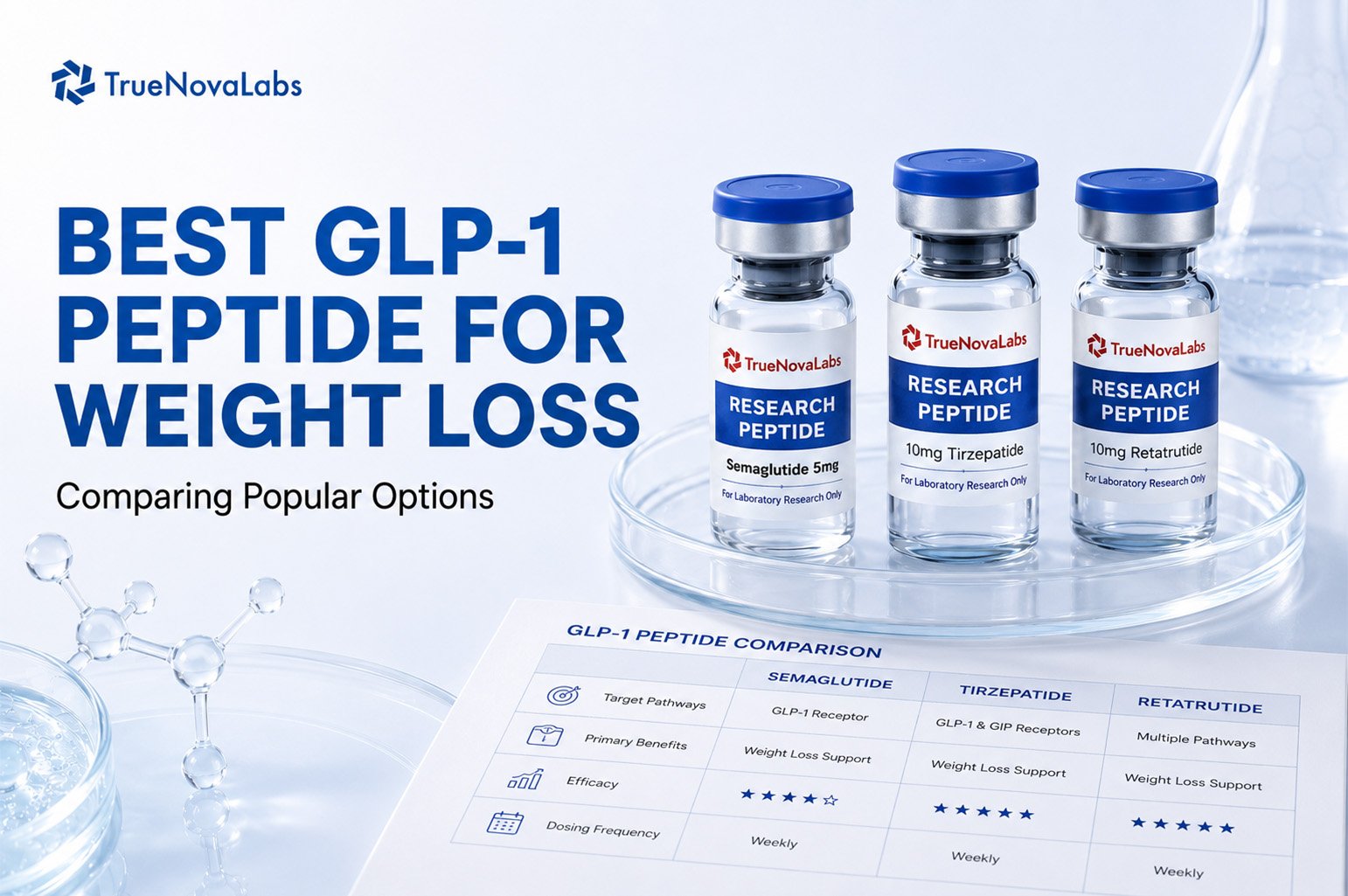
The search for the best GLP-1 peptide reflects a broader shift in how metabolic research approaches weight management. Rather than focusing on stimulants or short-term calorie burn, researchers are increasingly studying how GLP-1 signaling influences appetite, satiety, and long-term energy balance.
However, the idea of a single “best” option can be misleading. Different GLP-1–related peptides interact with the body in different ways, and their effectiveness depends heavily on mechanism, context, and research goals.
In Canada, many peptides discussed in this space are supplied strictly for laboratory and educational purposes only, not as consumer products. Understanding this distinction is essential when evaluating comparisons.
👉 Looking for research-grade peptides with verified purity and transparent sourcing? Explore available options here SHOP ALL COMPOUNDS
This guide explores what makes a GLP-1 peptide effective, compares the most commonly discussed compounds, and explains how to interpret results from a research perspective.
What Makes a GLP-1 Peptide Effective?
GLP-1 peptides are researched for their ability to mimic or enhance the activity of glucagon-like peptide-1, a hormone involved in appetite regulation, glucose response, and metabolic signaling.
In research settings, effectiveness is not measured by a single outcome alone. Instead, investigators evaluate how these peptides may influence multiple interconnected factors, including:
- satiety signaling
- appetite regulation and intensity
- energy intake behavior
- broader metabolic function and balance
Some peptide compounds are designed to target GLP-1 activity more selectively, while others are studied for their interaction with additional metabolic pathways beyond GLP-1 signaling alone.
This distinction is important because research in this area focuses not only on reducing food intake, but also on understanding how sustained signaling patterns may influence long-term metabolic regulation and physiological balance over time.

Most Popular GLP-1 Peptides Compared
Several peptide compounds are widely discussed in metabolic research because of their interaction with GLP-1–related signaling pathways.
Semaglutide is among the most extensively studied compounds in this category and is recognized for its strong and sustained activation of GLP-1 receptors. In metabolic and appetite-regulation research, it is often used as a reference point for evaluating GLP-1–focused mechanisms.
Tirzepatide differs by combining activity at both GLP-1 and GIP receptors, making it a dual-pathway compound. This broader signaling profile allows researchers to investigate metabolic effects that extend beyond appetite and satiety regulation alone.
Retatrutide represents an even more complex area of study because it interacts with multiple pathways simultaneously, including GLP-1, GIP, and glucagon-associated signaling mechanisms. Its multi-receptor activity has made it a significant focus in ongoing metabolic research.
Although all three compounds are associated with GLP-1–related activity, their mechanisms of action differ substantially. These differences influence how researchers evaluate their signaling behavior, metabolic effects, and comparative roles within peptide research models.
Benefits and Weight Loss Potential
| Aspect | GLP-1 Peptides in Research Context |
|---|---|
| Primary Effects Studied | More consistent appetite regulation, earlier satiety signals, and changes in energy intake behavior |
| Impact on Energy Balance | These effects may contribute to gradual changes in overall energy balance, influencing weight-related outcomes over time |
| Key Limitation | Do not directly “burn fat”; instead influence hunger and energy intake pathways |
| Nature of Results | Typically gradual rather than immediate |
| Outcome Variability | Results depend on context and are influenced by multiple biological and environmental factors |
Side Effects and Safety Factors
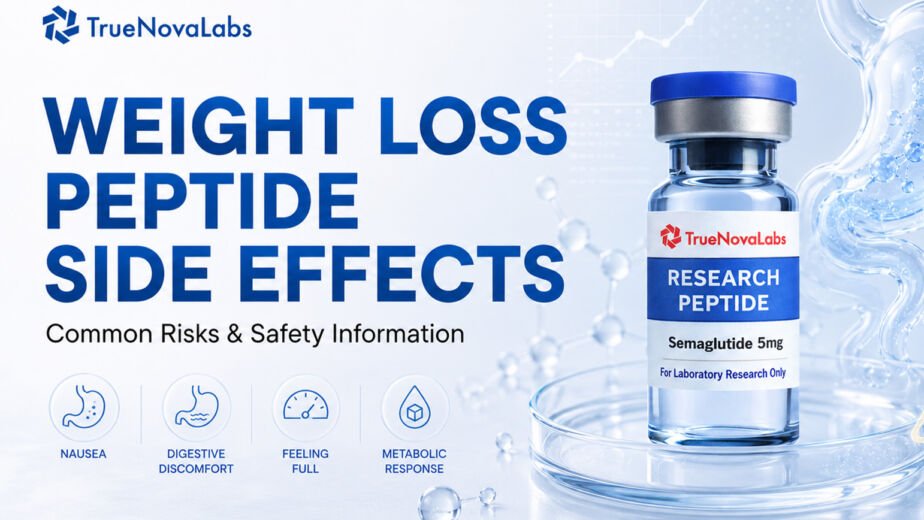
Because GLP-1 peptides interact with appetite regulation and digestive signaling pathways, research observations may include:
- digestive-related responses
- changes in satiety perception
- temporary metabolic adjustments
At the same time, the compound’s mechanism alone does not cause many potential concerns in peptide research. Instead, factors involving product quality and handling often contribute to them. These may include:
- purity and analytical verification
- improper storage conditions
- contamination during preparation or handling
- inconsistent sourcing standards
Peptides are structurally sensitive compounds, and even minor degradation or instability may influence their biological behavior and research reliability.
In Canada, organizations such as Health Canada regulate peptide-related substances according to their classification and intended use. This reinforces the importance of discussing peptide compounds within accurate scientific, regulatory, and research-specific contexts.
👉 To ensure reliable research outcomes, explore peptides backed by verified testing here SHOP ALL COMPOUNDS

Choosing a GLP-1 Peptide Based on Your Goals
The specific research objective determines which GLP-1 peptide researchers may consider the “best.”
For studies focused primarily on:
- appetite regulation
- satiety signaling
- energy intake behavior
a compound such as semaglutide may be more relevant due to its well-established interaction with GLP-1 receptor pathways.
In contrast, research centered on:
- broader metabolic signaling
- multi-pathway receptor activity
- endocrine-system complexity
may place greater emphasis on compounds such as tirzepatide or retatrutide because of their expanded signaling profiles and multi-receptor interactions.
Rather than rank one peptide as universally superior, researchers typically evaluate how each compound interacts with specific biological systems, signaling pathways, and metabolic mechanisms within the context of a specific study.
Future Trends in GLP-1 Research
GLP-1 research is increasingly shifting toward multi-pathway approaches in which peptide compounds interact with multiple receptor systems rather than a single isolated target.
This direction reflects a broader scientific understanding of metabolism as an interconnected network of biological processes, where appetite regulation, energy balance, endocrine signaling, and metabolic adaptation influence one another continuously.
Future areas of research are expected to place greater emphasis on:
- combined receptor-system activity
- long-term metabolic adaptation
- individualized and personalized response patterns
As research in this field continues to advance, comparisons between peptide compounds will likely become more nuanced and scientifically meaningful, particularly as investigators gain deeper insight into how different signaling pathways interact over time.
Learn how appetite suppressant peptides may influence hunger, cravings, and satiety in research—explore related weight loss peptide insights at Peptides for Weight Loss: Benefits, Mechanisms & What to Expect
FAQ – Best GLP-1 Peptide
What is the best GLP-1 peptide?
There is no single “best” option. It depends on the research objective and the pathways being studied.
Do GLP-1 peptides burn fat directly?
No. They influence appetite and energy intake rather than direct fat oxidation.
Why are some peptides more complex than others?
Some compounds interact with multiple pathways, which increases their biological complexity.
Are GLP-1 peptides approved in Canada?
Some pharmaceutical versions exist, but many peptides are classified as research compounds.
Why does peptide quality matter?
Purity and proper handling affect stability and research consistency.
Conclusion
The search for the best GLP-1 peptide is ultimately a search for understanding how metabolism works.
Different peptides offer different insights into:
- appetite regulation
- satiety signaling
- metabolic balance
- endocrine pathways
Rather than focusing on a single “best” option, research emphasizes matching the peptide to the biological system being studied.
For researchers in Canada, reliable outcomes depend on:
- high-quality sourcing
- proper storage and handling
- understanding of mechanisms
- realistic expectations
Explore Research-Grade Peptides
If you’re looking for peptides supported by verified purity, transparent sourcing, and consistent quality standards, explore the full collection here SHOP ALL COMPOUNDS
Disclaimer:
This content is provided by True Nova Labs for educational and research purposes only. It is not intended to diagnose, treat, cure, or prevent any disease, nor to provide medical or legal advice.




3 Comments
Cameron Ellis
Really helpful comparison of the different GLP-1 peptide options currently being discussed. I liked that the article explained how each one may differ in appetite control, weight loss potential, and tolerability instead of just focusing on hype. The balanced approach made the information much easier to trust.
Sophie Reynolds
Great read overall. There are so many GLP-1 related products being talked about online right now, so having a clear side-by-side explanation was really valuable. I’d be interested in seeing a future article about how people choose between semaglutide, tirzepatide, and newer options.
Jordan Miller
I appreciate how practical this article felt compared to many others in the weight loss space. The discussion around effectiveness versus side effects was especially useful because most blogs only focus on results. This gave a much more complete picture of the options available.